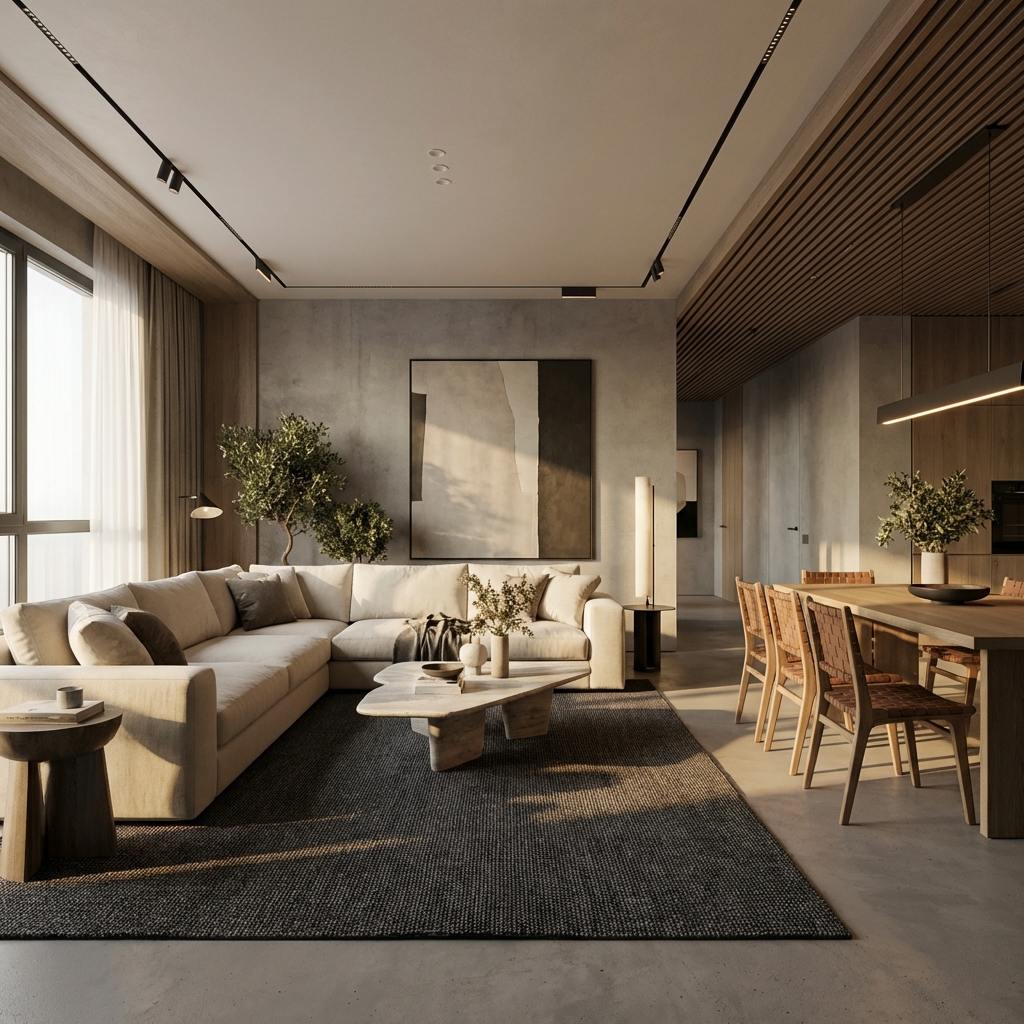
In an era defined by rapid digitization, constant notifications, and the relentless pressure to perform, our homes have emerged as the final frontier of silence. Slow living is no longer just a buzzword; it is a profound philosophical shift in how we inhabit our most personal environments. It is a rebellion against the "fast" culture—fast food, fast fashion, and unfortunately, fast furniture—that often leaves us surrounded by objects that carry neither story nor soul.
To design for slow living is to design for the human spirit. It is an acknowledgment that our physical surroundings have a measurable impact on our cortisol levels, our sleep quality, and our overall capacity for joy. When we enter a room, we shouldn't just see a layout of furniture; we should feel a sense of homecoming. This article explores how to strip away the distractions of modern life to create a sanctuary that fosters mindfulness, connection, and true restoration.
Modern psychology increasingly points to "Biophilia"—our innate tendency to seek connections with nature—as a key to mental health. Slow living in interior design takes this concept a step further by emphasizing not just the presence of plants, but the use of materials that invite touch, the cultivation of light that follows natural patterns, and the creation of spatial layouts that encourage human interaction rather than television-centric isolation.
Table of Contents
Understanding the Philosophy of Slow Design
The "Slow Movement" originated in Italy in the 1980s as a protest against the opening of a McDonald's near the Spanish Steps in Rome. While it started with food, it quickly spilled over into all areas of life, including design. Slow design is about intentionality. It asks us to slow down the consumption process and think about the lifecycle of every item we bring across our threshold.
When you choose a piece of furniture for a slow home, you aren't just looking for something that fits the dimensions of a corner. You are looking for craftsmanship. You are looking for materials that won't end up in a landfill in three years. You are looking for a piece that will age with you, gaining character and memories as it goes. This approach is inherently sustainable. By buying once and buying well, we reduce the demand for the resource-heavy production of disposable furniture that plagues our environment today.
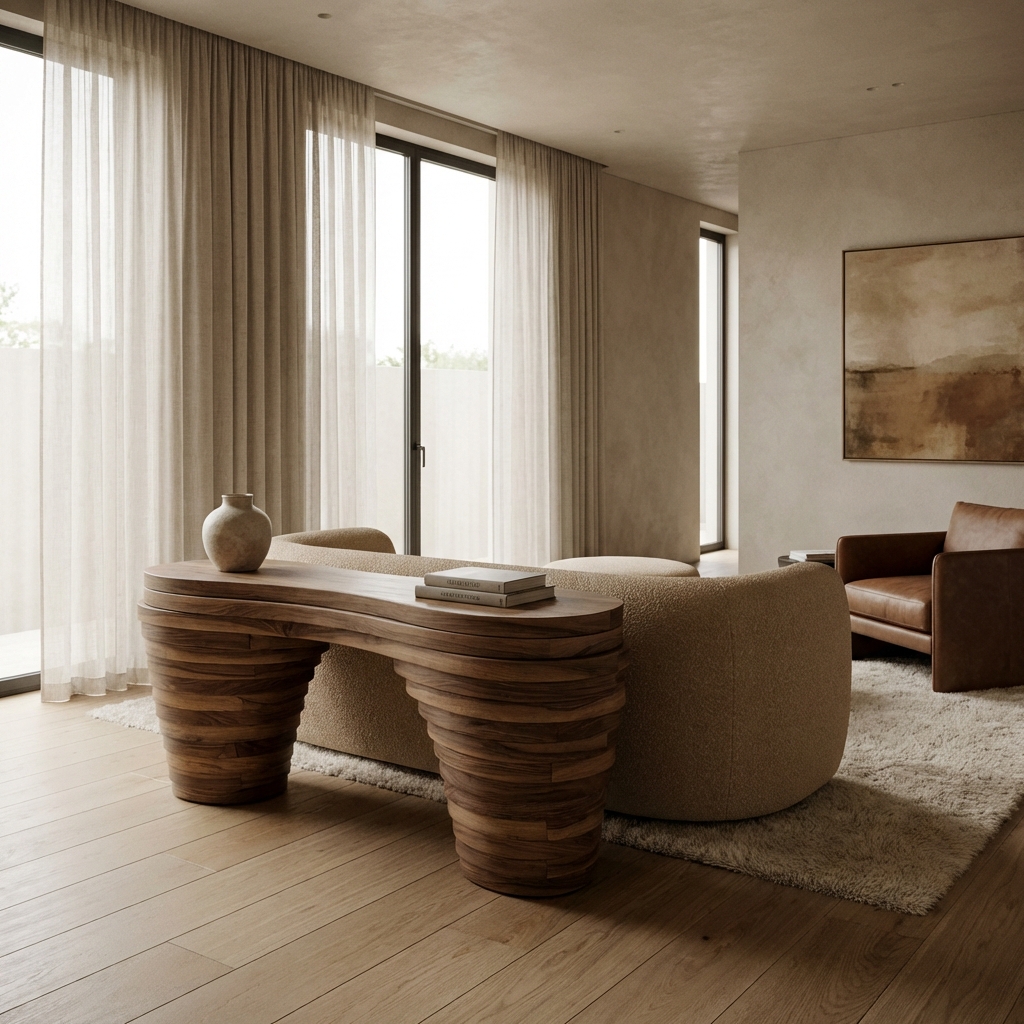
Furthermore, slow design prioritizes local artisans and traditional methods. There is a specific kind of beauty in a hand-turned table leg or a hand-woven rug that a machine-made copy can never replicate. These "imperfections" are what give a home its heartbeat. They remind us that there was a human hand and a human mind behind the objects we use every day.
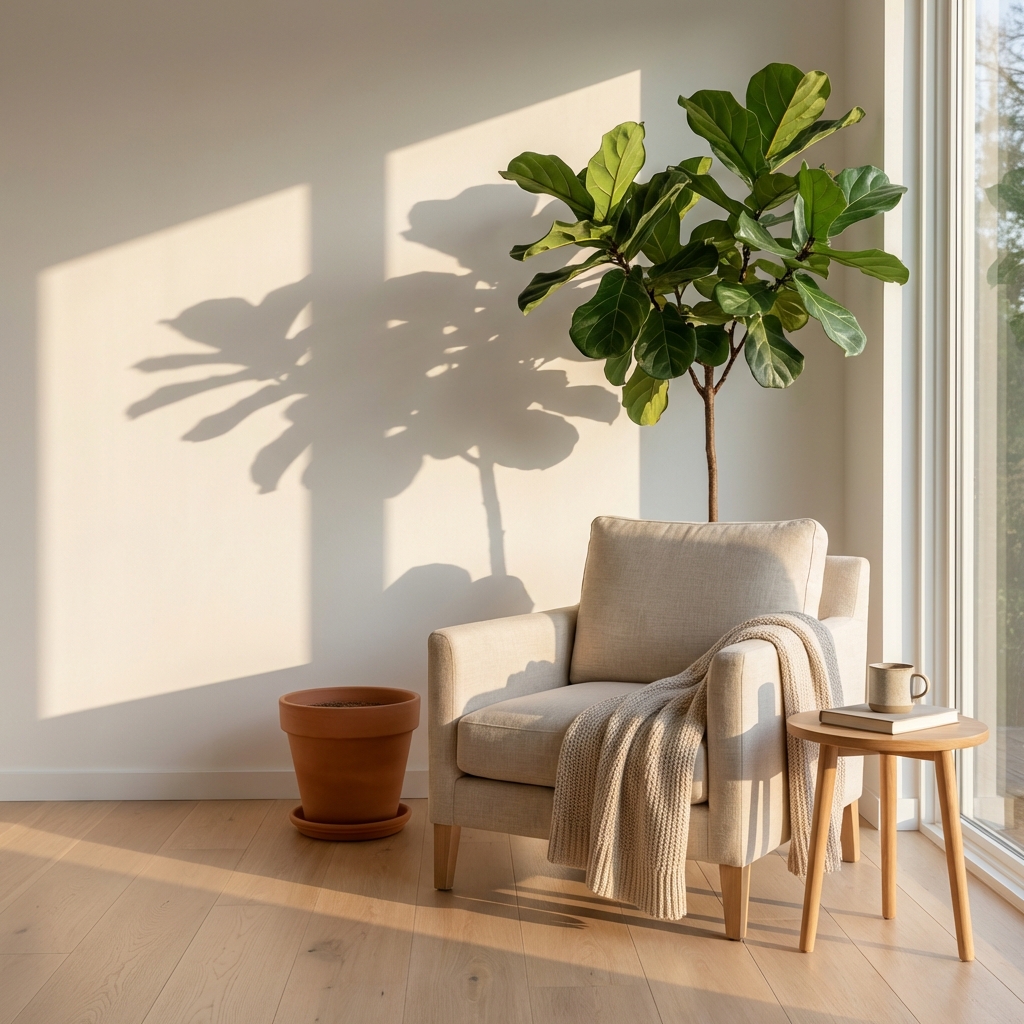
"The home should be the treasure chest of living. It shouldn't just look good; it should feel like a warm embrace at the end of a long day. We must learn to decorate not for the eyes of others, but for the rest of our own souls."
The Infinite Power of Natural Light
Light is the most fundamental element of design, yet often the least understood. In a slow home, light is used to regulate our internal clocks. Over-relying on blue-toned LED overheads can disrupt our melatonin production, leading to stress and poor sleep. Instead, a slow-design approach focuses on layering light to mimic the natural progression of the day.
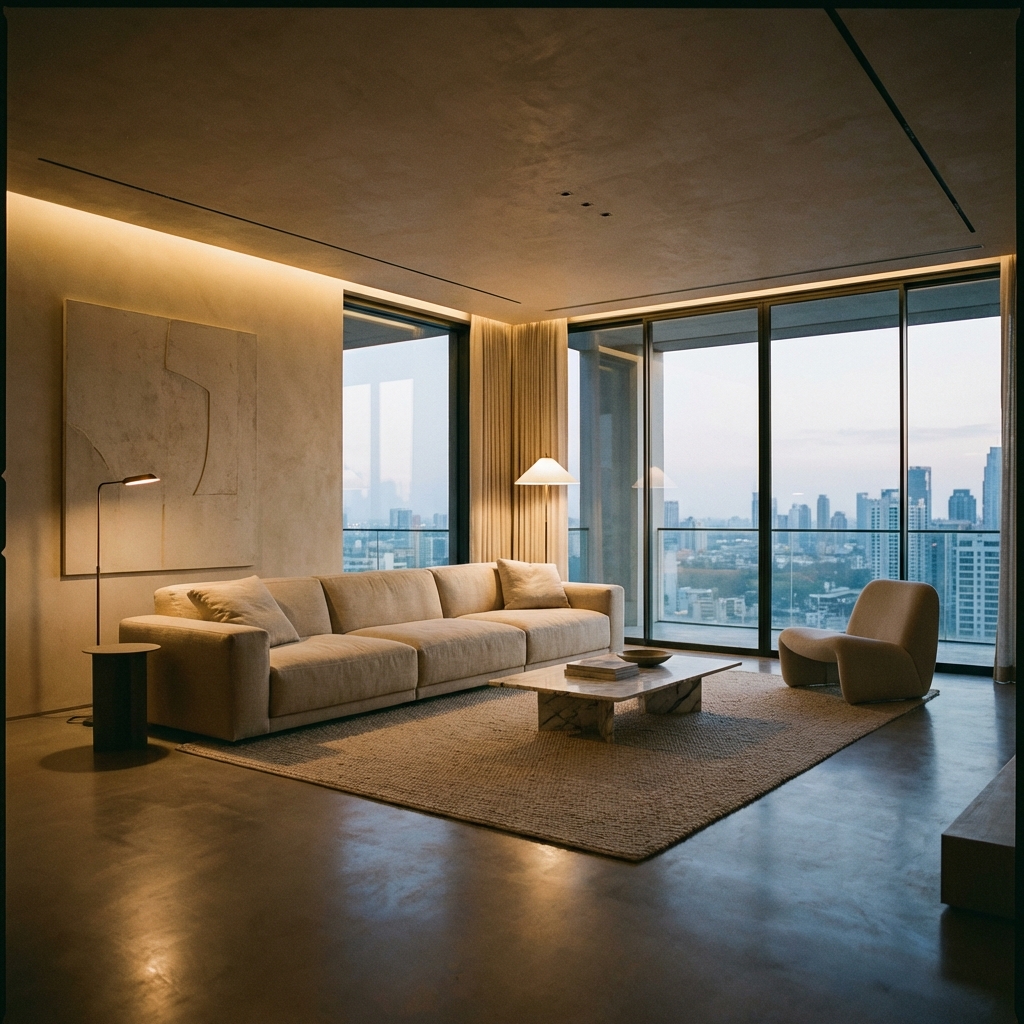
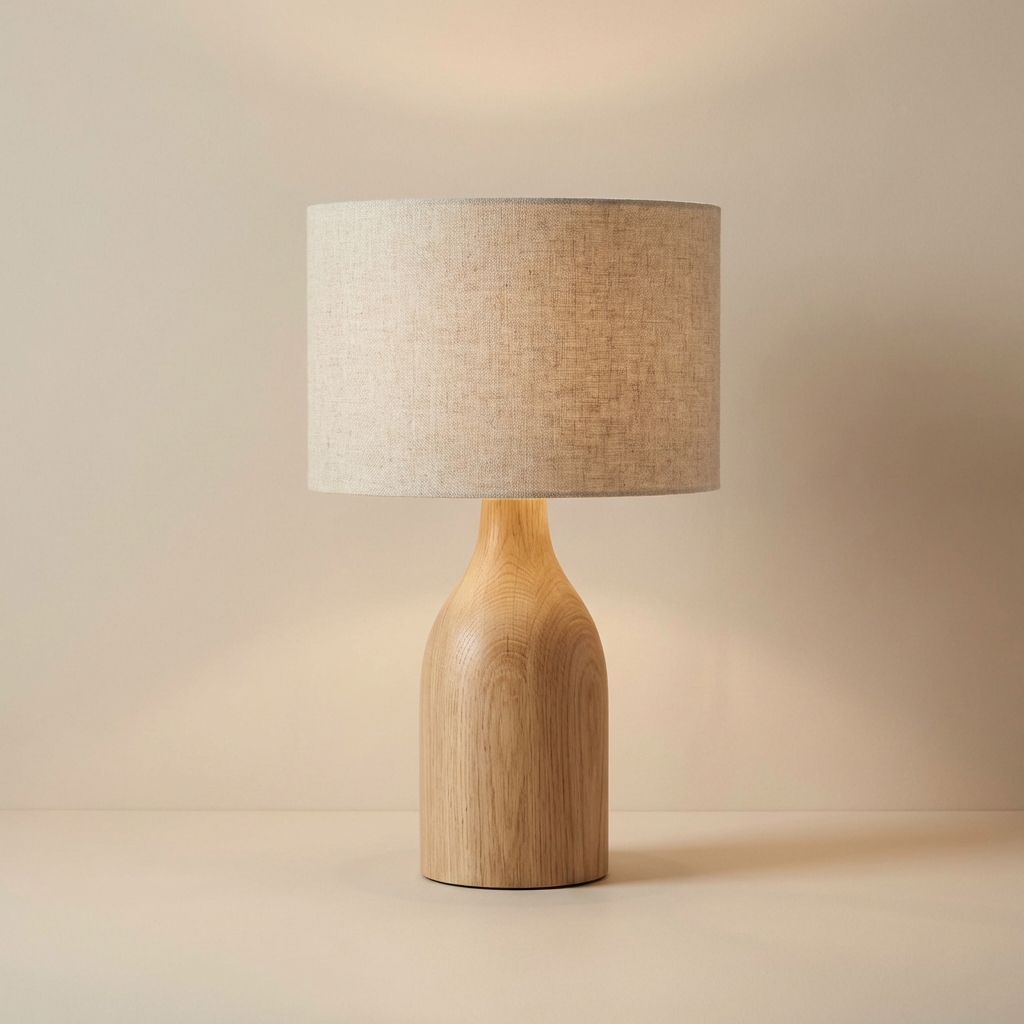
Start with natural light. Clear your windows of heavy, dark drapery and replace them with sheer linens that allow sunlight to filter through softly. Place mirrors opposite windows to bounce light into darker corners of the room. This not only makes the space feel larger but literally brightens the mood by flooding the brain with serotonin. As the sun sets, transition to warm-toned ambient lighting. Use floor lamps and table lamps with warm bulbs (2700K) to create "islands" of light that encourage quiet activities like reading or conversation.
Space, too, is a form of light. We often feel the need to fill every empty wall with a shelf or a picture. But in slow living, the "gaps" are where the air circulates. Allowing for negative space gives the eye a place to rest, reducing the cognitive load on the brain as you move through your home.

Natural light is the best decorator. It changes color and intensity throughout the day, giving your room a living, breathing quality.
Texture: The Tactile Secret to Comfort
When we talk about slow living, we talk about the senses. A room that looks beautiful but feels cold to the touch is not a sanctuary. Incorporating a variety of textures is what creates "visual warmth." Consider the difference between a sleek, plastic chair and a solid oak one with a visible grain. The latter invites touch; it has a temperature and a history.
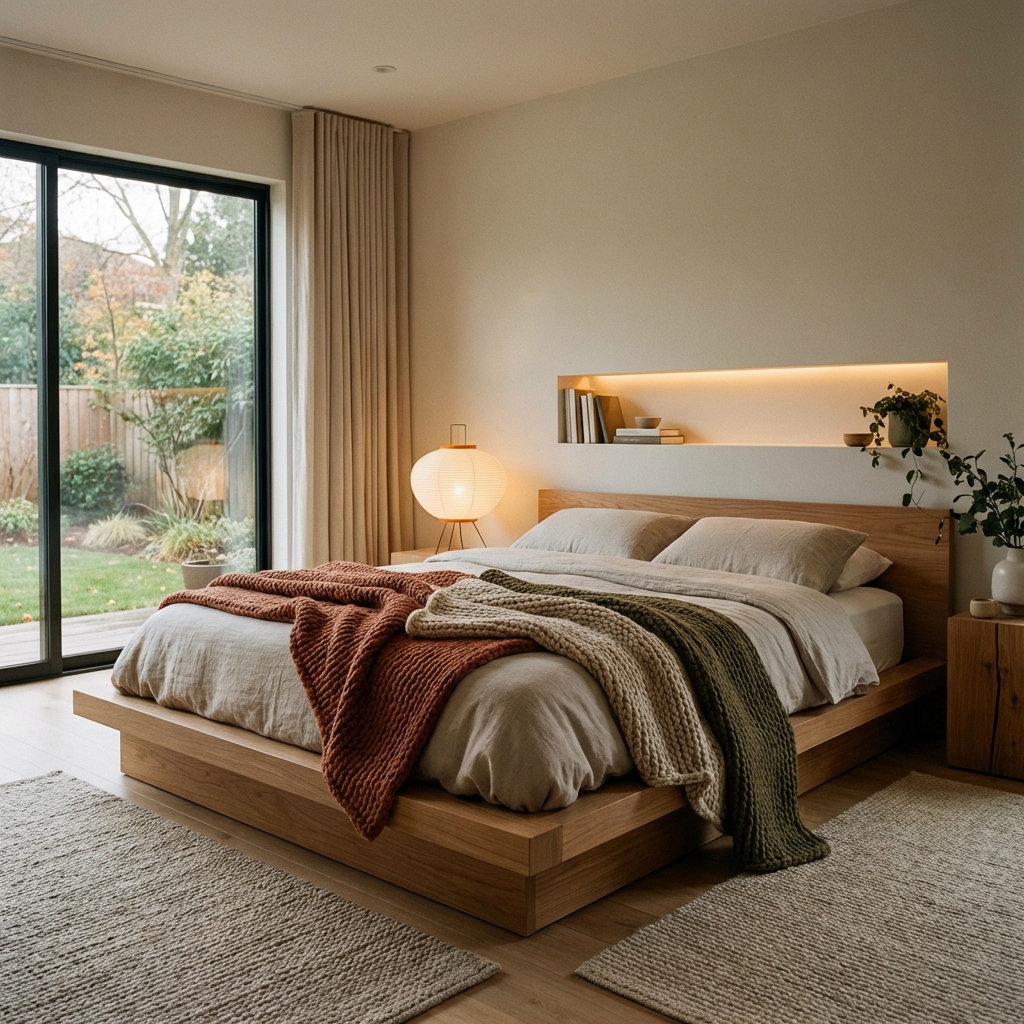
Mix and match materials that ground you in reality. Reclaimed wood, with its knots and scars, tells a story of survival. Linen, which wrinkles naturally, tells a story of comfort over perfection. Wool, heavy and protective, tells a story of safety. When these textures are layered—a wool rug over a wood floor, a linen throw over a velvet sofa—the room gains depth that flat surfaces cannot provide. This sensory richness grounds us in the present moment, pulling us away from our digital screens and back into our physical bodies.
Plants also play a critical role here. They aren't just decor; they are living companions. They clean the air, they provide soft organic shapes that contrast with the hard lines of furniture, and the simple act of caring for them (watering, pruning, cleaning leaves) is a meditative ritual that fits perfectly into the slow living lifestyle.
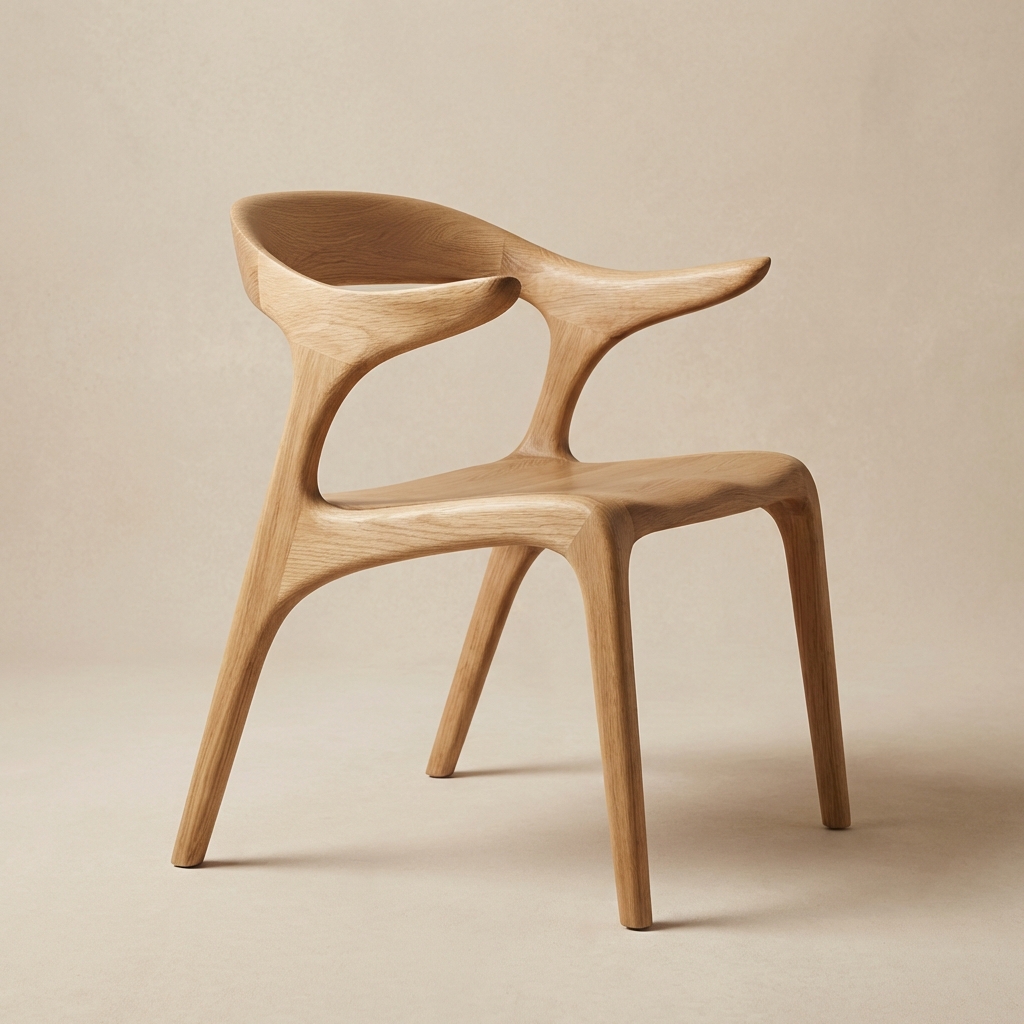
The grain of raw, solid wood provides a tactile connection to nature that synthetic materials simply cannot replicate. Every knot tells a story.
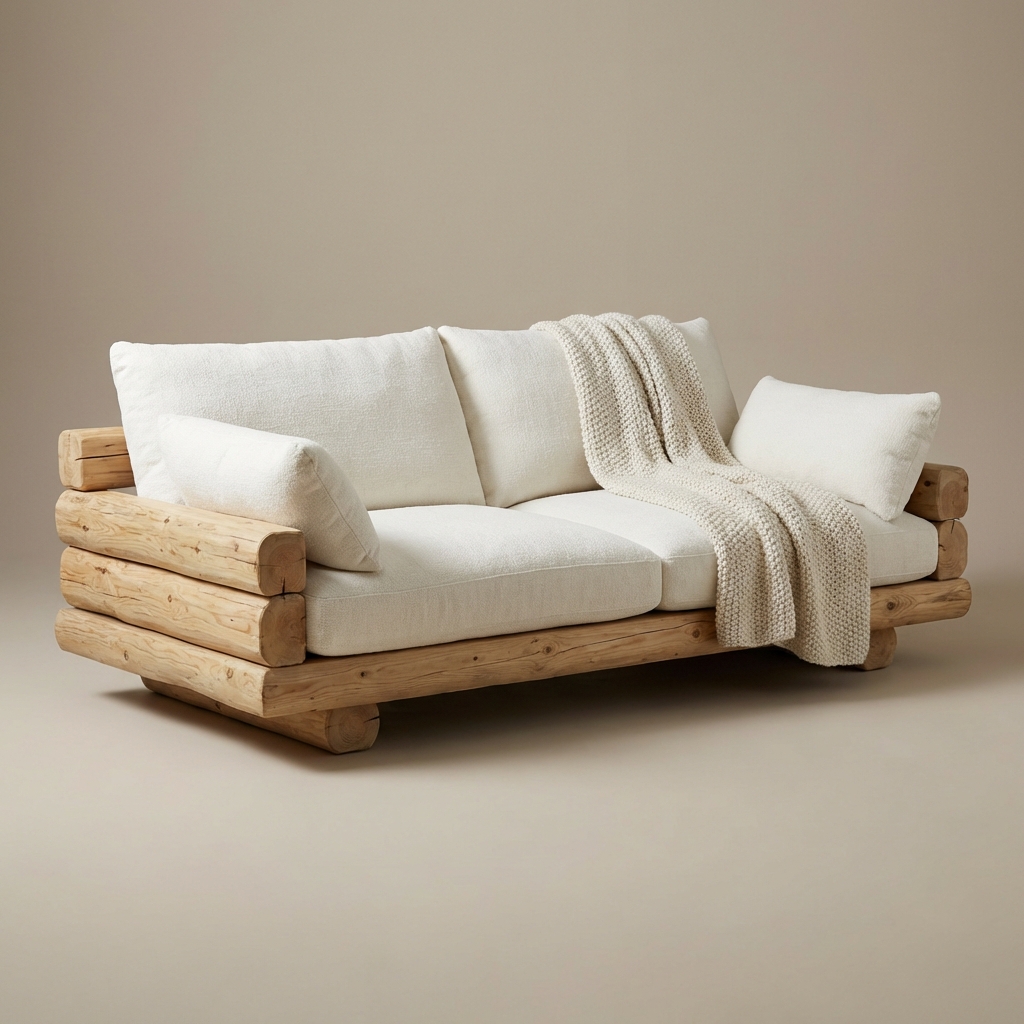
Layering natural textiles like linen and cotton creates a sensory experience that invites rest. Softness is a design requirement, not an extra.
Mindful Decluttering: Less but Better
You cannot live a "slow" life in a room that is screaming at you with visual noise. Clutter is more than just a mess; it is stagnant energy. It represents unfinished tasks and undecided choices. To embark on a slow living journey, you must first perform a "mindful audit" of your space.
This isn't about the harsh, minimalist aesthetic of the early 2000s. It's not about owning nothing. It's about owning things that you either love or use. Start by clearing off all flat surfaces—coffee tables, sideboards, desks. Only return the items that have a purpose or bring you genuine joy. Does that generic souvenir from five years ago really deserve a spot on your mantle? Or would that space be better served by a single, beautiful vase with a fresh flower? When you remove the clutter, the items you *do* keep gain the space they need to breathe and be appreciated.

Remember: a slow home is never "finished." It is a living, evolving collection of your life's experiences. Avoid the temptation to buy a "complete set" from a showroom. Instead, allow your home to grow organically. Buy a table this year, find a set of vintage chairs next year, and perhaps discover the perfect art piece the year after. This patience ensures that your home reflects *you*, not a catalog.
Frequently Asked Questions
Conclusion: Your Home as a Reflection of Your Soul
Transforming your home into a slow living sanctuary is not a weekend project; it is a lifestyle commitment. It is about deciding that the quality of your internal life is more important than the quantity of your external possessions. By making intentional choices about light, texture, materials, and clutter, you are creating a workspace for the soul.
As you move forward, let go of the pressure to have a "perfect" home. A slow home is allowed to be messy sometimes; it is allowed to have unpainted corners and old, well-loved sofas. What matters is that it belongs to you. It is your anchor in a fast-moving world. Take a deep breath, look around your room, and ask yourself: "Does this space allow me to be the best version of myself?" If the answer is no, then today is the perfect day to start slowing down.
 Embrace the
Calm
Embrace the
Calm

Sarah Jenkins
Founder of Aunara Interior Design
With over 12 years of experience in the industry, Sarah has dedicated her career to the philosophy of organic, sustainable living. She believes that a home should be a physical manifestation of one's peace, and her work often centers on reclaimed materials and the mastery of natural light.
Join our Inner Circle
Get first access to new collections and interior design masterclasses.