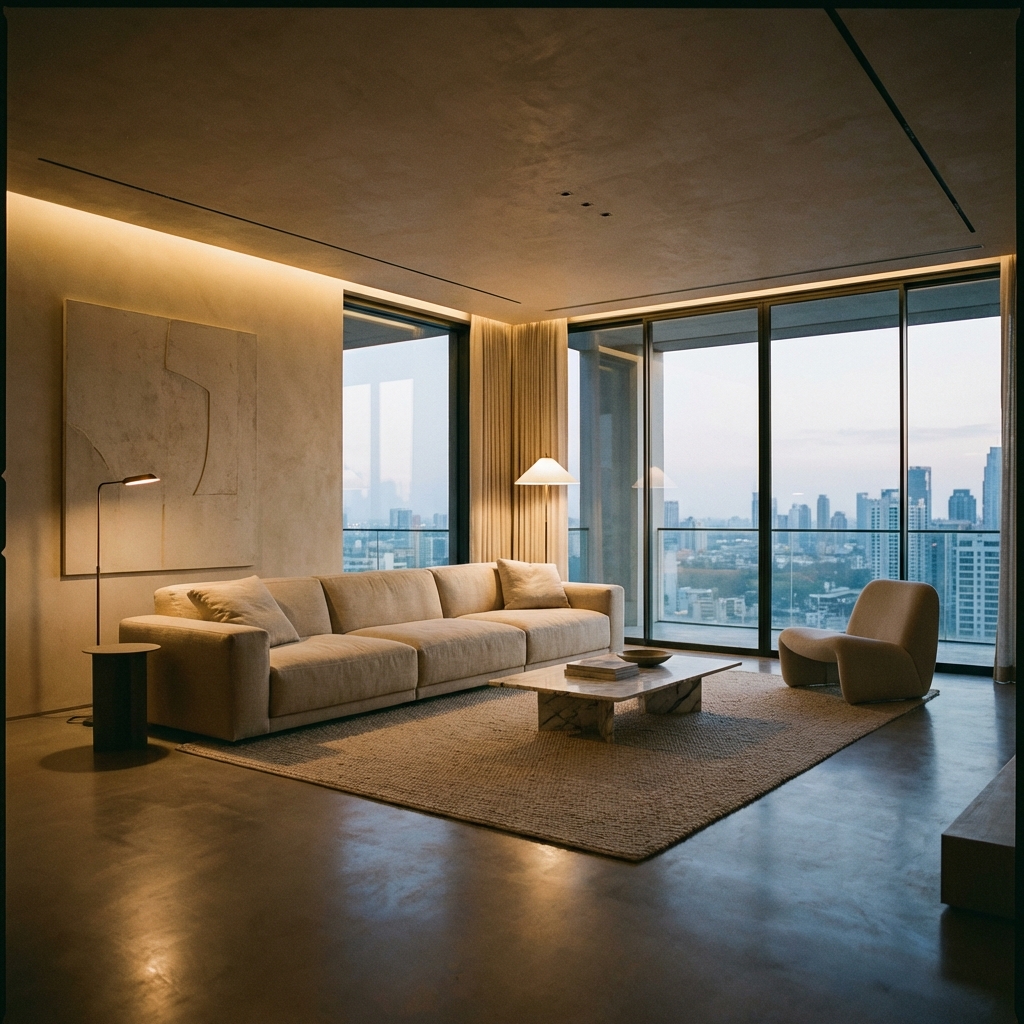
Lighting is often called the "jewelry" of interior design. It is the finishing touch that brings a room together, adds a touch of sparkle, and elevates the entire aesthetic. However, its importance goes far beyond simple decoration. Lighting is the most powerful "invisible" furniture in your home; it dictates how you use a space, how you feel within it, and even how you perceive the colors of your walls and fabrics.
Think about the last time you walked into a high-end hotel lobby or a cozy boutique café. What was the first thing you noticed? It probably wasn't the chair or the floor—it was the atmospheric glow that felt warm, welcoming, and intentional. Most homes, unfortunately, rely on a single "big light"—the overhead fixture in the center of the ceiling—which creates flat, uninspiring shadows and leaves the corners of the room in darkness. Mastering the art of lighting involves understanding layers, color temperature, and the specific needs of different activities. In this comprehensive guide, we will break down the essential principles to help you transform your home from sterile to sanctuary through the power of light.
Table of Contents
1. The Three Layers of Lighting: A Balanced Approach
Professional interior designers never rely on a single light source. Instead, they use "layering" to create depth and flexibility. Imagine a theater stage: there is the bright light that covers everything, the spotlight for the actor, and the colored lights that set the mood. Your home should function the same way.
Layer One: Ambient Lighting (The Foundation)
Ambient lighting is your primary source of light. It provides a base level of brightness that allows you to move safely throughout the room. Common examples include recessed ceiling lights, flush mounts, or even a large chandelier. The goal here is "evenness." You want to avoid dark pockets, but you also want to avoid making the room look like a hospital operating room. Ambient light is your "daytime" setting.

Layer Two: Task Lighting (The Focused Support)
As the name suggests, task lighting is for specific activities. In the kitchen, this might be under-cabinet strips that help you see while you're chopping vegetables. In the bedroom, it’s a reading lamp by the bed. In the office, it's a desk lamp. Task lighting should be bright enough to prevent eye strain but directional enough that it doesn't wash out the rest of the room's mood.
Layer Three: Accent Lighting (The Drama)
This is where you can get creative. Accent lighting is used to draw attention to specific features: a piece of art, a beautiful plant, or an architectural detail like a textured brick wall. Sconces, picture lights, and "uplights" placed on the floor behind furniture are perfect for this. Accent lighting should be roughly three times brighter than the surrounding ambient light to create that "pop" effect.

Ambient

Task

Accent
"Shadow is as important as light. In an over-lit room, nothing is special. It is the interplay between brightness and darkness that creates depth, texture, and soul in a home."
2. Understanding Color Temperature: Kelvins Matter
Have you ever bought a lightbulb that made your living room look cold and blue? That’s because you chose the wrong color temperature. Color temperature is measured in Kelvins (K), and it ranges from "Warm" (yellow/orange) to "Cool" (blue).
Warm White (2700K - 3000K): This is the most flattering light for residential spaces. It mimics the soft glow of a sunset or a candle. It is calming and cozy, making it ideal for living rooms, bedrooms, and dining areas.
Soft/Neutral White (3500K - 4000K): This is a more vibrant, "white" light. It is great for bathrooms and kitchens where you need to see clearly without things looking too yellow. It is also good for home offices as it promotes focus.
Cool Daylight (5000K+): This light is very blue and high-energy. It is best reserved for garages, basements, or high-security commercial spaces. Using this in a bedroom can actually disrupt your sleep cycle ("circadian rhythm") by tricking your brain into thinking it's midday.

The secret of a warm home isn't the furniture—it's the 2700K bulb in the floor lamp.
3. Fixtures as Functional Art: Pendants and Sconces
When choosing lighting fixtures, think of them as sculptures. Even when they are turned off, they should add visual interest to the room.
Pendant Lights: These are perfect for defining "zones." A large pendant over a dining table or a series of three pendants over a kitchen island defines that space as a gathering area. A common mistake is hanging them too high. For a dining table, the bottom of the pendant should be roughly 30 to 36 inches above the table surface.
Wall Sconces: These are the ultimate mood-setters. Unlike overhead lights that push light DOWN, sconces often push light UP and DOWN, creating beautiful patterns on the walls. They are excellent in hallways, beside the bed, or flanking a mirror in the bathroom.
The Rule of Thirds: Try to have at least three different light sources in every major room. For example, in a living room: one overhead (ambient), one floor lamp (task), and one bookshelf light or picture light (accent). This variety ensures you can change the "scene" throughout the day.
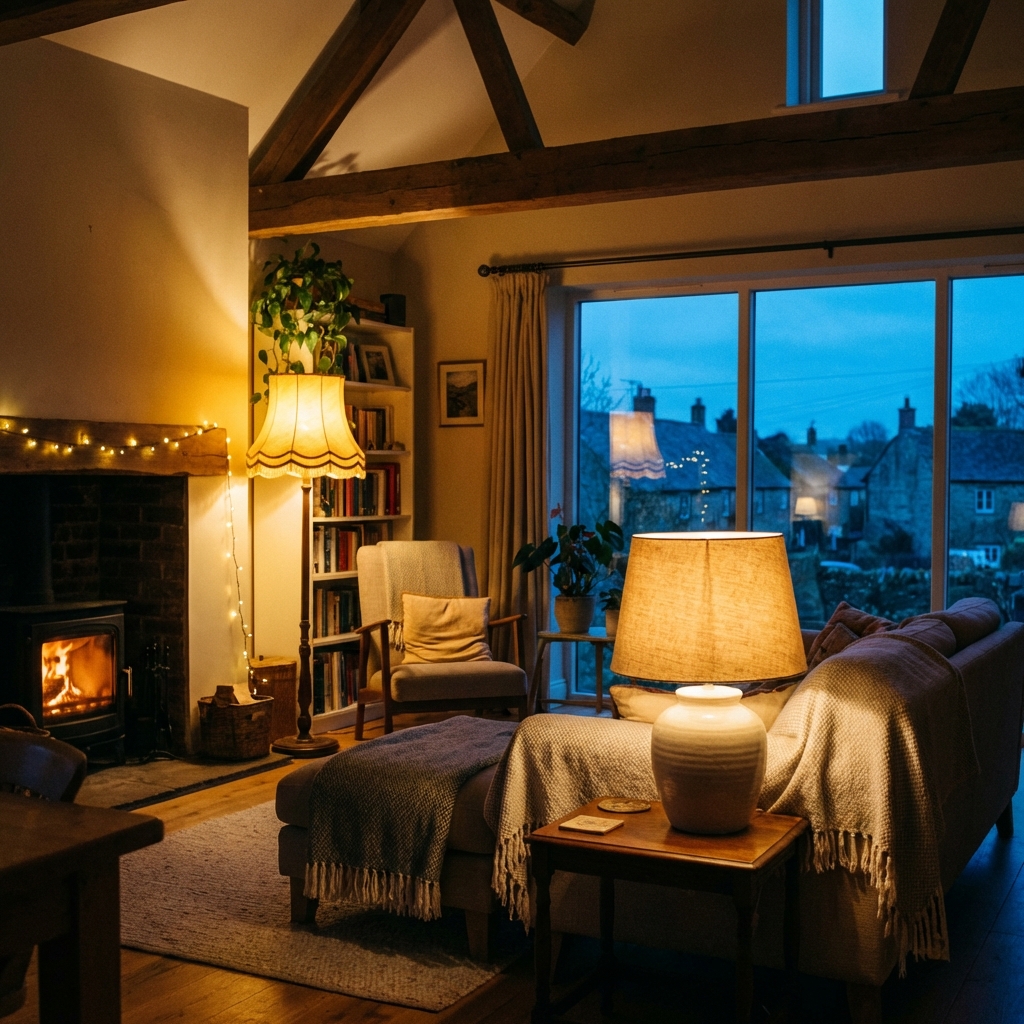
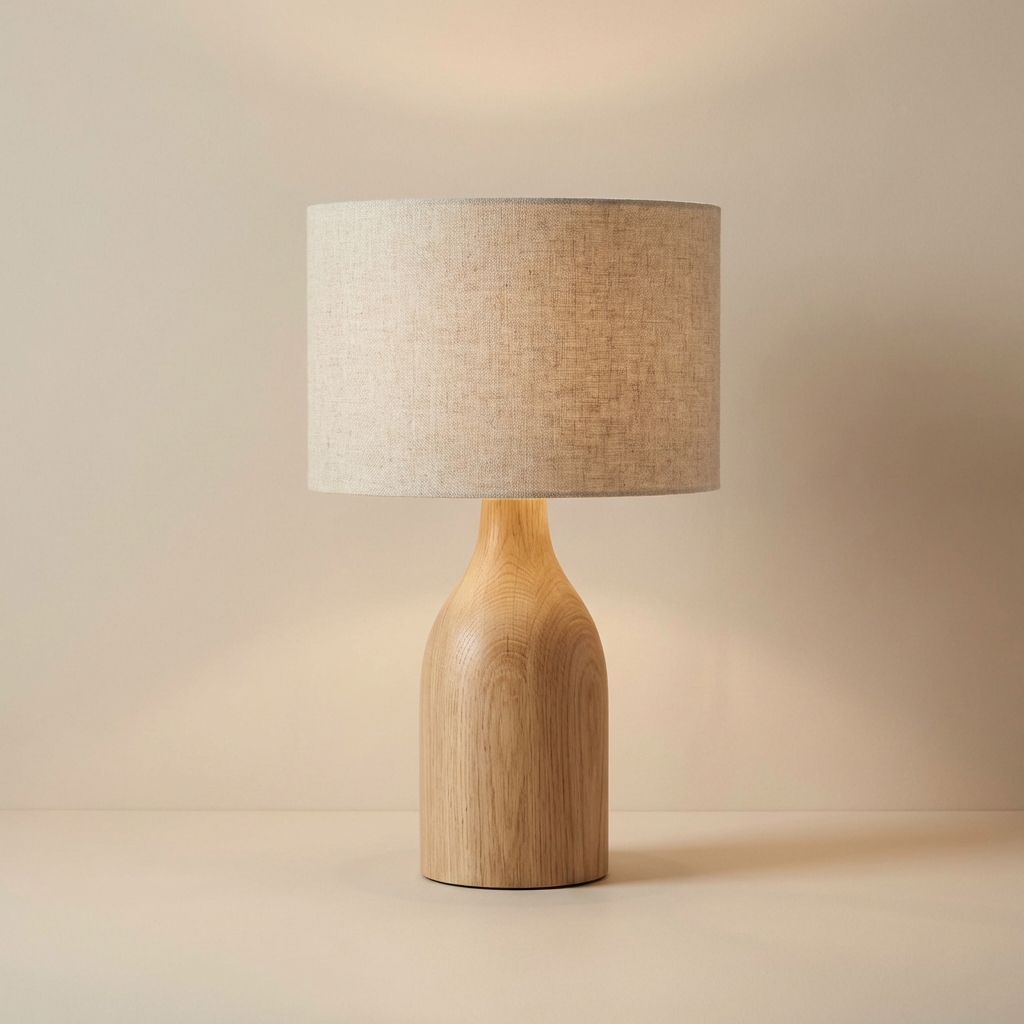
Avoid relies on a single ceiling light. Floor lamps add height and warmth at eye-level.
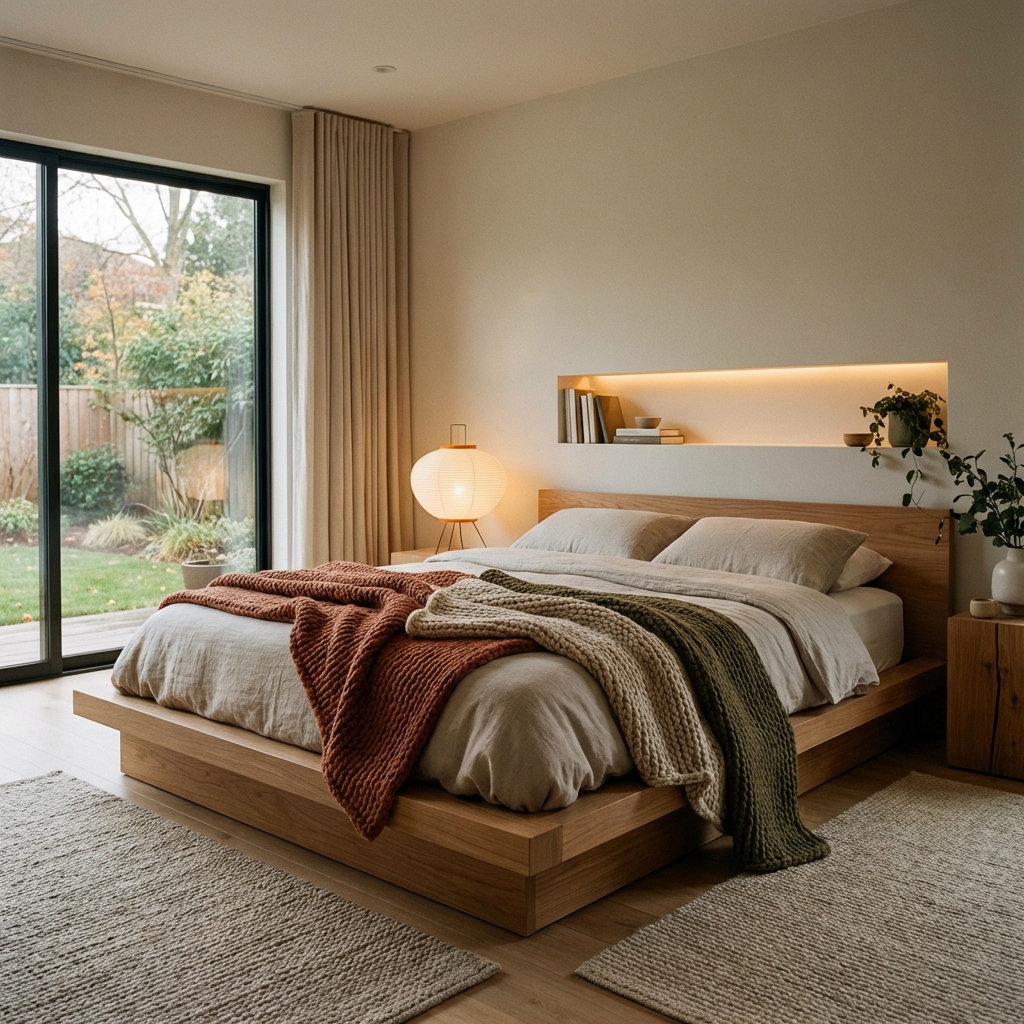
Bedside lighting should be soft and warm to prepare the mind for rest. Choose fabric shades for a diffused effect.

4. The Power of Dimmers and Smart Tech
If you do only one thing to improve your home's lighting, install **dimmer switches**. They are relatively inexpensive and change the entire utility of a room. Dimmers allow one room to serve multiple purposes. Your dining room can be a bright workspace for kids' homework at 4 PM, and a romantic, candle-lit dinner spot by 8 PM. Without a dimmer, you are stuck with one "intensity," which is almost always either too bright or too dark.
In the age of Smart Homes, we also have "Smart Bulbs" (like Philips Hue). These allow you to control color and brightness from your phone or voice assistant. You can even set "Automations"—for instance, having your lights slowly brighten at 7 AM to wake you up naturally, or dim slowly at 10 PM to remind you to start winding down for bed. This technology isn't just a gimmick; it’s a way to align your artificial environment with your natural biology.
Frequently Asked Questions
Conclusion: Light is the Soul of the Home
Lighting is the most powerful tool in your design toolkit. It changes with the seasons, the time of day, and your mood. By understanding the three layers of lighting and choosing the right color temperature, you can turn a basic house into a beautiful, functional home. Remember: don't just light up a room; create an atmosphere.
As you move through your home tonight, pay attention to where the shadows fall. Do you have a corner that feels neglected? Could a small table lamp change the way you use your armchair? Start small, experiment with different bulbs, and watch as your home begins to glow with a new, intentional life.
 Master your
Ambience
Master your
Ambience

Sarah Jenkins
Lighting Specialist & Senior Interior Designer
Sarah believes that lighting is the heart of any design. She has consulted on over 200 residential projects, focusing on the psychological impact of light on human wellness.
Join our Inner Circle
Get first access to new collections and interior design masterclasses.