Quality furniture is more than just a place to sit or eat; it is a significant financial and emotional investment. These are the pieces that will bear witness to your children's birthdays, your late-night heart-to-hearts, and the quiet moments of your life. When you buy a piece of solid wood or well-upholstered furniture, you are not just buying a product—you are buying a legacy that can, with the right care, last for generations.
Unfortunately, in our "disposable" culture, many of us have forgotten how to properly maintain the things we own. We treat furniture like it’s invincible until a spill happens or a joint starts to wobble. But maintenance shouldn't be a reactive emergency; it should be a proactive ritual of care. From managing humidity for your solid wood pieces to understanding the specific cleaning codes on your sofa, this guide covers everything you need to know to ensure your home's treasures stay as beautiful as the day they arrived. By following these professional tips, you aren't just cleaning; you are preserving the integrity and value of your home.
Table of Contents
1. Mastering Solid Wood: Living with a Breathing Material
Wood is a living, breathing material. Even after it has been harvested, dried, and turned into a table, it continues to interact with the air around it. This is both its greatest beauty and its greatest vulnerability.
Environment and Humidity
The most common cause of damage to solid wood furniture is not spills, but humidity. Wood expanded in high humidity and contracts in low humidity. If these changes happen too rapidly or too extremely, the wood can "cup," "bow," or even crack. To protect your pieces, try to keep your home's humidity between 40% and 50%. Avoid placing solid wood furniture directly in front of air conditioners or heaters, as the extreme temperature change will dry out the natural oils in the timber.
The Sunlight Factor
UV rays are the enemy of wood finish. Over time, direct sunlight will "bleach" wood, causing it to lose its rich color. If your dining table is next to a large window, consider using sheer curtains to filter the light, or rotate the table every few months to ensure it fades evenly.

Daily Maintenance
Dusting is actually a form of preservation. Dust may seem soft, but on a microscopic level, it is abrasive. When dust builds up and you move an object across the table, it acts like sandpaper, slowly dulling the finish. Use a soft, dry microfiber cloth at least once a week. Avoid silicone-based furniture sprays (like Pledge); they create a "waxy" buildup that is incredibly difficult to remove and can make future refinishing impossible.


"Take care of the things that take care of you. A home is a living organism; it thrives when its components are treated with respect and intentionality."
2. Upholstery 101: Keeping Fabrics Fresh
Your sofa is the workhorse of the home. It faces spills, pet hair, and thousands of hours of weight. To keep it looking new, you need to understand two things: **Vacuuming** and **Cleaning Codes**.
The Weekly Vacuum: Dust doesn't just sit on top of your sofa cushions; it works its way into the fibers. When you sit down, that dust acts like tiny knives, cutting into the threads and causing the fabric to "pill" or wear out faster. Use your vacuum's upholstery attachment once a week to remove these hidden particles. Also, remember to **flip and rotate your cushions**. This prevents "permanent seat imprints" and ensures the foam wears evenly.
Decoding the Cleaning Labels: Look under your cushions for a small white tag. It will have one of these codes:
- W: Use water-based cleaners only (mild soap and water).
- S: Use solvent-based cleaners only (dry clean only). Do NOT use water, or it will leave a permanent ring.
- WS: You can use either water or solvent.
- X: Vacuum only. No liquids a all.

Blot, don't rub. Rubbing a stain pushes it deeper into the fibers and can tear the delicate threads of the fabric.

3. Leather Care: The Beauty of the Patina
Leather is often touted as "low maintenance," but it is not "NO maintenance." Like your own skin, leather needs to be hydrated. If it gets too dry, it will crack and peel, and once that happens, it cannot be reversed.
Use a high-quality leather conditioner every 6 to 12 months. This keeps the hide supple and provides a thin protective layer against stains. If you have a small scratch on your leather, don't panic! For "Aniline" leathers, the oils from your fingers or a tiny drop of olive oil on a cloth can often rub the scratch right out. Leather is meant to be lived in—the small scratches and marks it gains over time are what we call a "patina," and it's what makes a vintage leather chair so much more valuable than a new one.
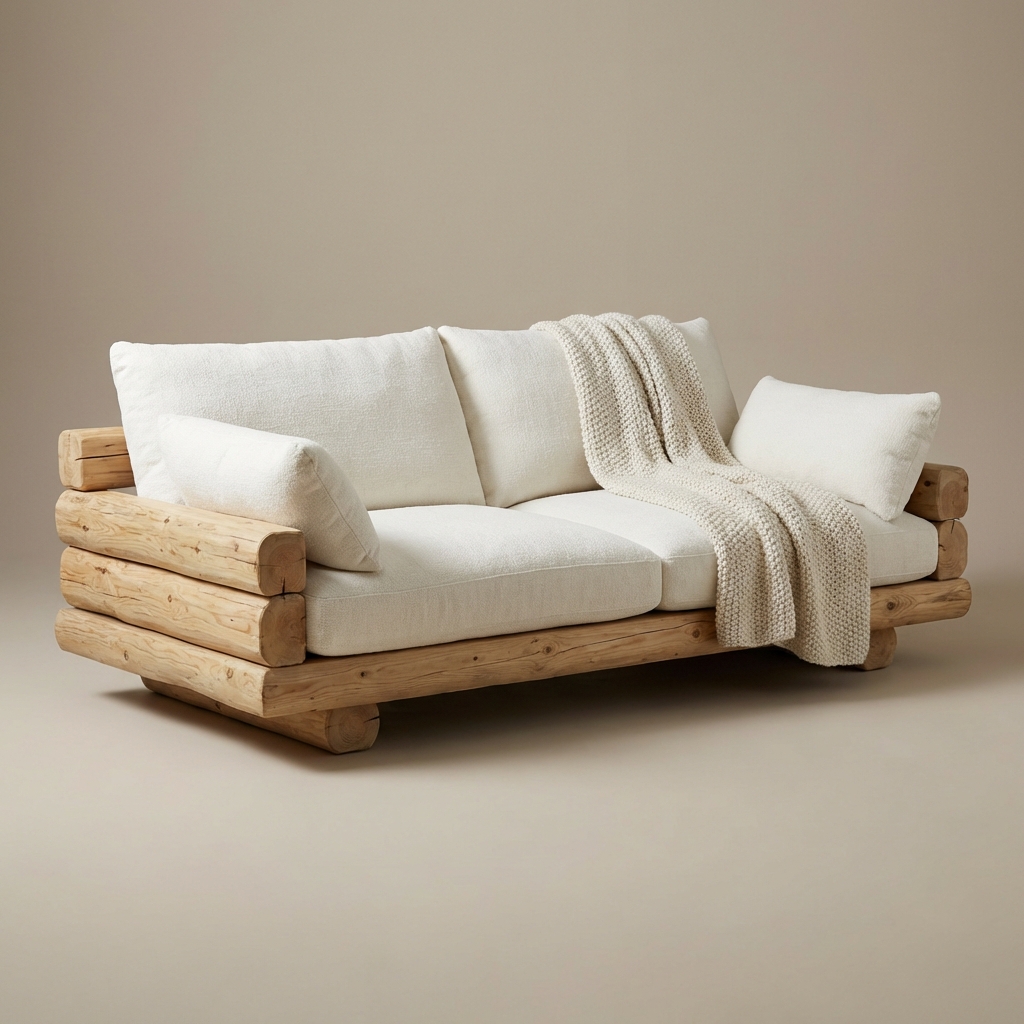
Using a fabric protector spray can add an extra minute to your reaction time when a spill happens—a crucial minute that could save your sofa.
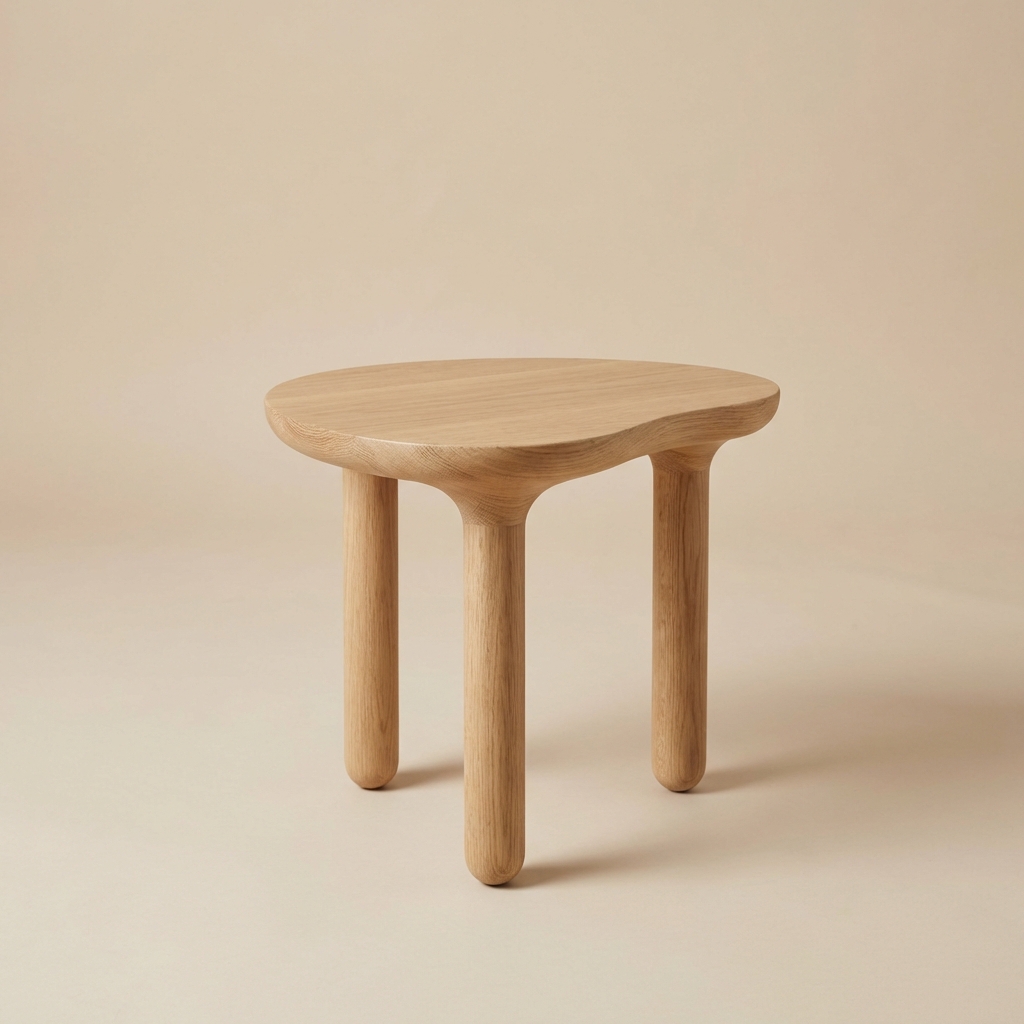
A coat of natural beeswax once a year provides a beautiful, non-toxic barrier that highlights the natural beauty of the wood grain.
4. The Annual Maintenance Checklist
Sometimes, furniture maintenance is as much about structural integrity as it is about looks. Once a year, you should perform a "structural audit" of your pieces:
- Tighten the Bolts: Seasonal changes cause wood to expand and contract, which can slowly loosen the bolts on your chairs and tables. Give everything a quarter-turn with a wrench.
- Check Floor Protectors: The small felt pads on the bottom of your chair legs wear out. Replace them once a year to prevent your furniture from scratching your beautiful floors.
- Oil the Hinges: If you have cabinets or sideboards, a drop of mineral oil on the hinges will keep them operating smoothly and prevent squeaking.
- Check for "Wobbles": If a table is uneven, don't just shove a piece of cardboard under it—adjust the levelling feet if it has them. An uneven piece of furniture puts unnecessary stress on the joints.
Frequently Asked Questions
Conclusion: A Love Story That Lasts
Furniture care is not a chore; it is an act of love. When you take the time to vacuum your sofa, oil your wood, and tighten your bolts, you are honoring the resources of the planet and the time of the craftsmen who built it. In a world of disposable products, owning and maintaining quality furniture is a revolutionary act of sustainability.
Enjoy your home. Spills will happen, scratches will appear, and that's okay—it means your home is being lived in. But with these simple habits, those marks become part of the story, rather than the end of it. Take a look at your favourite chair today and give it a quick dust or a cushion-flip. It’s the small things that ensure your home stays a beautiful sanctuary for years to come.
 Care for the
Future
Care for the
Future

Sarah Jenkins
Furniture Restoration Expert & Designer
Having restored antique furniture for years before starting Aunara, Sarah has a deep understanding of why certain pieces survive 100 years while others fail in five. She believes maintenance is the ultimate sustainability.
Join our Inner Circle
Get first access to new collections and interior design masterclasses.